











The European Commission has approved a €1.04 billion (DKK 7.8 billion) Danish State aid scheme designed to help landowners permanently take agricultural and forest land out
of production in order to cut emissions, restore nature and protect water resources.
The approval clears the way for Denmark to roll out one of its most ambitious land-use transformation programmes to date, aimed at reducing greenhouse gas emissions from agriculture while improving biodiversity and aquatic environments.
What the Danish scheme does
Under the scheme, Denmark will compensate landowners who voluntarily stop farming or forestry activities on their land. The goal is to permanently extensify land use: fields will no longer be tilled, and pesticides or fertilisers will be banned. In many cases, this will allow wetlands to be restored, helping soils return to their natural hydrology.
These changes are expected to significantly reduce emissions of greenhouse gases and nitrogen, while also cutting nitrogen and phosphorus runoff into rivers and lakes. To maintain nature and encourage biodiversity, supported projects may also include practical measures such as installing or relocating fences so that controlled grazing can continue.
In areas where forest land is hydrologically connected to agricultural land, landowners may receive additional compensation for also withdrawing forest areas from production. Once forest land is set aside under the scheme, it cannot return to commercial use — even if ownership changes — ensuring long-term environmental and climate benefits.
Who can receive aid — and for what
The scheme covers a broad range of eligible costs, including:
- Non-productive investments linked to land restoration
- Compensation for permanent income loss due to land being set aside
- Legal, administrative and surveying costs linked to land consolidation
Support will be provided either as direct grants or as benefits in kind, such as technical consultancy or the purchase of necessary goods and services. Aid can cover up to 100% of eligible costs and is open only to landowners who join the scheme voluntarily.
The programme will run until 31 December 2030 and forms part of a wider Danish effort to reshape land use to improve water quality, reduce climate pressures, expand space for nature and biodiversity, and safeguard drinking water supplies.
Why the Commission approved it
In its assessment, the Commission examined the scheme under EU State aid rules, notably Article 107(3)(c) of the Treaty on the Functioning of the European Union, and the 2022 Agricultural Guidelines.
The Commission concluded that the Danish measure:
- Supports the development of an economic activity linked to environmental and climate protection
- Creates a clear incentive, as projects would not go ahead without public funding
- Is necessary and appropriate to meet its environmental objectives
- Is proportionate, with aid limited to what is strictly needed
- Delivers environmental benefits that outweigh any potential distortion of competition or trade within the European Union
On that basis, the scheme was approved as compatible with EU State aid rules.
The wider policy context
The decision is grounded in the 2022 Agricultural Guidelines, which set out how the Commission evaluates State aid in agriculture, forestry and rural areas. These guidelines are designed to give Member States flexibility to support green and rural transitions while aligning with the objectives of the Common Agricultural Policy — and while minimising costs for taxpayers and distortions in the Single Market.
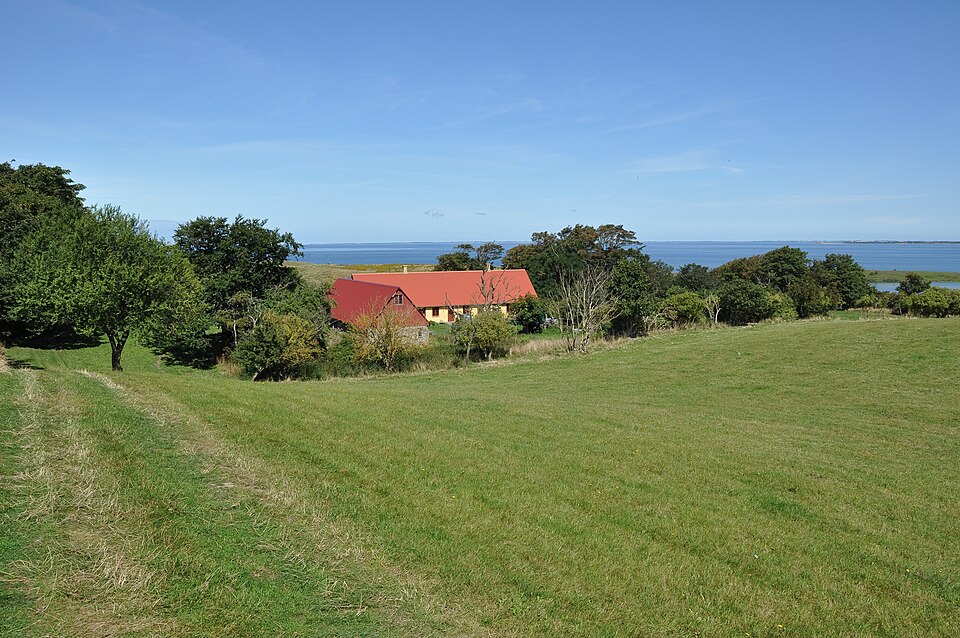
For Denmark, the approval marks a significant step in turning climate ambitions into concrete land-use change, with long-lasting impacts for nature, water quality and emissions reduction. Photo by Bob Collowan, Wikimedia commons.