















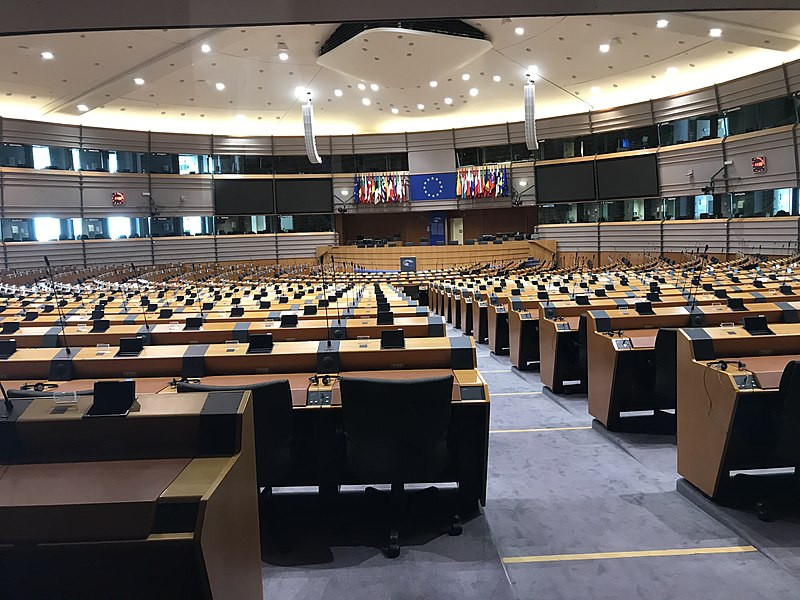
The European Parliament’s Civil Liberties Committee has approved its position on a major reform of the European Union’s return policy for migrants who are staying in the bloc
illegally. The proposal introduces stricter procedures for deportations, new cooperation requirements for migrants, and expanded powers for EU countries to enforce return decisions.
The committee adopted the amendments with 41 votes in favor, 32 against, and one abstention, marking the next step in reshaping the EU’s migration policy. The reforms are based on a proposal presented by the European Commission in March 2025.
EU-wide recognition of return orders
Under the draft legislation, national authorities must issue a return decision to any non-EU national found to be staying illegally in an EU member state. This decision obliges the person to leave the country.
The proposal also introduces a “European return order,” which would be shared across the Schengen area through the Schengen Information System. Once implemented, EU countries will have to recognize and enforce deportation decisions issued by other member states, making the system more coordinated across borders.
According to the current plan, all EU countries would be required to enforce these shared return orders by 1 July 2027. The country where the migrant is currently located would remain responsible for carrying out the return.
Lawmakers emphasized that the new regulation must still respect the core responsibilities of member states, including territorial integrity, law enforcement, and national security.
Obligation for migrants to cooperate
The new rules would require migrants who receive a return decision to cooperate with authorities during the return process. They may be offered the opportunity to leave the EU voluntarily.
However, authorities could detain individuals while preparing their removal in certain situations, such as when:
- the person refuses to cooperate,
- there is a risk they might abscond,
- they pose a security threat, or
- other factors make deportation difficult.
Detention could last up to 24 months, according to the proposal. Decisions on detention would be made by administrative or judicial authorities and must be based on national law.
Detention of unaccompanied minors and families with children would only be allowed as a last resort and for the shortest possible time, with consideration given to the child’s best interests.
EU countries could also apply alternatives to detention, including:
- regular reporting to authorities,
- residence requirements,
- financial guarantees,
- or electronic monitoring.
Agreements with third countries
The proposed reform allows EU countries to return migrants to several types of destinations depending on the circumstances. These may include:
- the migrant’s country of origin,
- a transit country through which they entered the EU,
- a safe third country, or
- a country that agrees to accept the person under an agreement with the EU or a member state.
However, unaccompanied minors cannot be transferred under such agreements, according to the committee’s amendments.
Entry bans for non-compliance
Migrants who fail to leave the EU within the voluntary departure period, who are forcibly removed, or who pose a security threat could receive an EU-wide entry ban.
The length of the ban would depend on the specific circumstances of each case. In cases where authorities consider a person a serious security risk, the entry ban could become permanent.
Oversight of deportations
The committee also backed the creation of independent monitoring mechanisms to ensure that fundamental rights are respected during deportation operations.
Quote
Malik Azmani (Renew, Netherlands), rapporteur said, after the vote: “Today, the Civil Liberties Committee adopted its position. As Rapporteur, it has always been my goal to reach an efficient and workable Regulation in a timely manner. This outcome provides the basis for the next steps, and we will now move forward towards the trilogue negotiations.”
What happens next
Before talks with EU governments can begin, the negotiating mandate must be formally approved by the full European Parliament. If endorsed, lawmakers will start trilogue negotiations with the Council of the European Union to finalize the legislation.