










Sweden has cautiously endorsed a controversial EU proposal to help repair a damaged Russian oil pipeline running through Ukraine—framing the move as a necessary
compromise to unlock vital financial support for Kyiv.
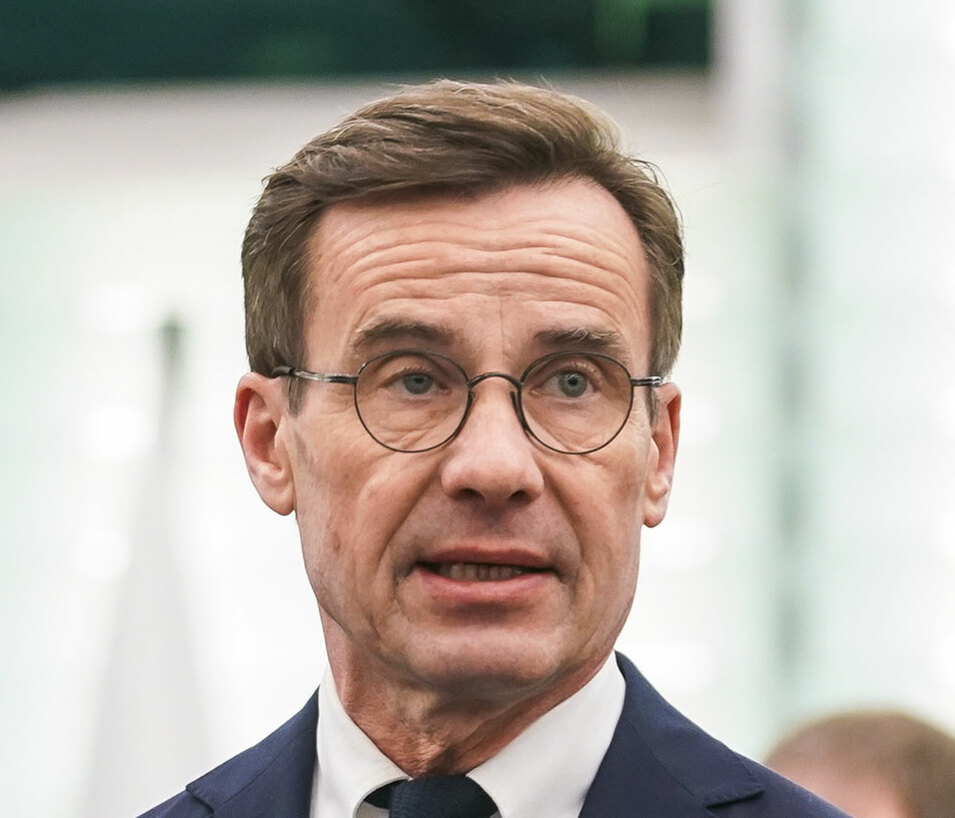
Prime Minister Ulf Kristersson acknowledged the dilemma during discussions in Sweden’s parliamentary EU Committee, describing the plan as “acceptable,” though not without concern. The EU’s offer includes technical and financial assistance to restore the Druzhba pipeline, a key route delivering Russian oil to Central Europe.
The proposal comes amid mounting frustration over Hungary’s continued blockade of a €90 billion EU loan package intended to support Ukraine’s defense against Russia’s ongoing invasion. Hungarian Prime Minister Viktor Orbán has tied his opposition to energy concerns, particularly the impact of EU restrictions on Russian oil.
Kristersson did not hold back in his criticism. “What Hungary is doing is completely unacceptable,” he said, while emphasizing that maintaining unity within the European Union remains essential at a critical moment in the war.
The European Commission, led by Ursula von der Leyen, along with European Council President António Costa, announced earlier this week that the EU is prepared to step in to help repair the pipeline, which was damaged in a Russian attack in late January.
Ukraine has reportedly welcomed the EU’s offer, seeing it as a step toward stabilizing regional energy flows. However, the move has sparked debate among member states, with some questioning whether EU funds should be used as leverage to secure Hungary’s approval for aid that has already been agreed upon in principle.
The Druzhba pipeline remains a critical supply line for Hungary and Slovakia—currently the only EU countries exempt from the bloc’s ban on Russian oil imports. Both nations have also resisted the EU’s latest sanctions package against Moscow, citing energy security concerns and accusing Ukraine of delaying repairs to the pipeline.
Kristersson warned that the coming days will be decisive, as EU leaders prepare to meet in Brussels for another high-stakes summit. With the war in Ukraine now stretching beyond four years, divisions within the EU risk undermining its collective response to Russian aggression.
Despite internal tensions, Sweden maintains that compromise may be unavoidable if it ensures continued support for Ukraine’s resistance. Photo by European Parliament, Wikimedia commons.