












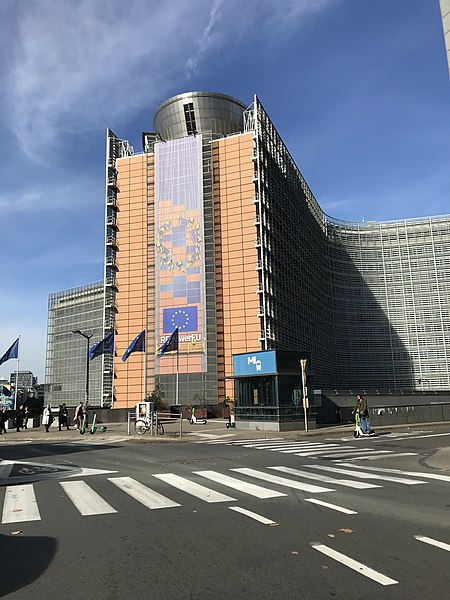
The European Commission has announced a major €330 million investment aimed at accelerating nuclear innovation, with a strong focus on advancing fusion energy and
strengthening Europe’s technological edge in clean power.
The funding comes under the newly adopted 2026–2027 Euratom Research and Training Work Programme, a key initiative designed to complement Horizon Europe and support the EU’s long-term energy and climate ambitions.
A strategic push for energy independence
At a time when Europe is seeking greater energy security and reduced reliance on external suppliers, the programme is positioned as a cornerstone of the EU’s transition to a carbon-neutral economy by 2050. It aligns with broader policy frameworks, including industrial decarbonisation strategies and emerging plans for small modular reactors (SMRs).
The Commission’s approach combines investment in cutting-edge research with efforts to build a skilled workforce and reinforce Europe’s industrial competitiveness in nuclear technologies.
Fusion energy moves closer to reality
A significant portion of the funding — €222 million — will go toward accelerating fusion energy, widely seen as a potential game-changer for clean power generation.
The EU’s ambition is clear: to connect the first commercial fusion power plant to the electricity grid, delivering a virtually limitless, safe, and carbon-free energy source.
To achieve this, the programme will:
- Launch a European public-private partnership to scale up commercially viable fusion technologies
- Support fusion start-ups through innovation funding and investment tools
- Strengthen research capabilities and talent development in fusion science
- Expand collaboration and shared use of advanced research facilities
These steps are designed to move fusion beyond experimental stages and into real-world energy systems.
Boosting nuclear safety, innovation and medical applications
The remaining €108 million will support nuclear fission research, focusing on safety, sustainability, and technological advancement.
Key priorities include:
- Safe radioactive waste management and improved radiation protection
- Extending the lifespan and safety of existing nuclear power plants
- Advancing SMRs and next-generation reactors
- Developing innovative nuclear materials and fuels
The programme also places strong emphasis on nuclear medicine, aiming to secure Europe’s supply of critical medical isotopes used in diagnostics and cancer treatment.
Investing in skills and research collaboration
Recognising a growing skills gap in the nuclear sector, the EU is also investing in talent development. Initiatives include:
- Funding through Marie Skłodowska-Curie grants to attract global researchers
- Open access to more than 230 nuclear research facilities across Europe
- Greater integration of international scientists, including researchers from Ukraine
These measures aim to ensure Europe has the expertise needed to sustain innovation in both fusion and fission technologies.
A long-term vision for nuclear innovation
The Euratom programme remains a central pillar of Europe’s nuclear strategy, supporting research, education, and international cooperation. Originally running from 2021 to 2025, it has been extended through 2027 to align with the EU’s long-term budget cycle.
With this latest investment, the EU is not only doubling down on nuclear energy but also positioning itself as a global leader in next-generation clean technologies — with fusion energy now firmly in its sights.