













In 2025, the European Union imported €336.7 billion worth of energy products, totaling 723.3 million tonnes. This represents a decline compared with 2024, with import values
dropping by 11.1% and volumes decreasing slightly by 0.6%.
Energy imports have been steadily falling since 2022. Over the past three years, the total import value has fallen by 51.4% from €693.4 billion, while import volume has dropped by 14.9% from 849.6 million tonnes.
Petroleum and gas trends
Petroleum oils experienced a sharp decline in both value and volume, with import values down 17.8% and volumes falling 6.1% compared with 2024. By contrast, liquefied natural gas (LNG) imports surged, with values up 35.2% and volumes rising 24.4%.
For natural gas in gaseous form, the EU saw a modest increase in import value (+3.4%), even as volumes fell by 5.3%.
Key energy suppliers
The United States and Norway continue to dominate EU energy imports. In petroleum oils, the largest suppliers were the United States (15.1%), Norway (14.4%), and Kazakhstan (12.7%).
For liquefied natural gas, the United States supplied over half of EU imports (56.0%), followed by Russia (13.9%) and Qatar (8.9%). Norway was the top supplier of gaseous natural gas (52.1%), with Algeria providing 17.4% and Russia 10.4%.
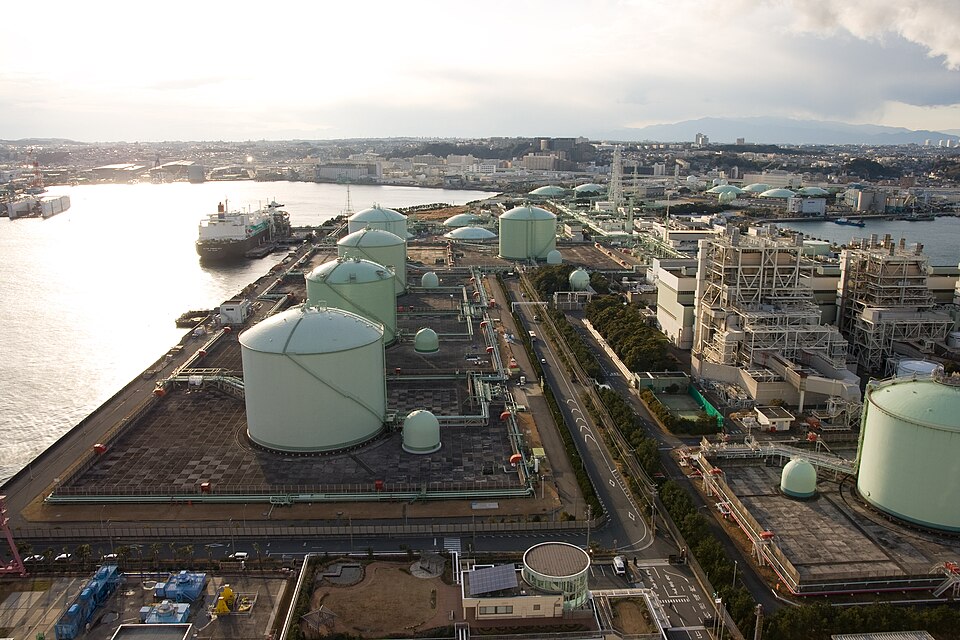
These trends reflect ongoing shifts in energy sourcing, influenced by geopolitical developments, market prices, and EU energy transition policies. Photo by Σ64, Wikimedia commons.