











The European Union and the Kingdom of Morocco have taken a significant step forward in their long-standing partnership by launching a new Digital Dialogue, aimed at
deepening cooperation in artificial intelligence, digital infrastructure, and innovation.
Announced today, the initiative reflects a shared ambition to harness the power of digital technologies to drive economic growth, strengthen public services, and support a people-centered digital transformation. The dialogue brings together policymakers and experts to collaborate on key areas such as AI development, start-up ecosystems, and secure digital networks.
The launch was led by Henna Virkkunen, Executive Vice-President of the European Commission responsible for Tech Sovereignty, Security and Democracy, alongside Amal El Fallah Seghrouchni, Morocco’s Minister Delegate for Digital Transition and Administrative Reform.
At its core, the EU-Morocco Digital Dialogue aims to create a framework for practical cooperation. Both sides will work on expanding secure and trusted digital infrastructure, enabling innovation in artificial intelligence, and promoting interoperability between their digital public systems — including emerging tools like digital wallets.
A strong emphasis is also placed on knowledge exchange. The partnership will facilitate collaboration between Moroccan research institutions and European AI centres, encouraging joint projects, shared resources, and innovation-driven ecosystems. In parallel, start-ups are expected to benefit from targeted support, helping them develop solutions tailored to real economic and societal challenges.
A concrete example of this cooperation is already underway. Four leading European supercomputing centres — BSC (Spain), CINECA (Italy), GENCI (France), and LUMI (Finland) — have signed a letter of intent with Mohammed VI Polytechnic University. The Moroccan institution hosts Africa’s most powerful supercomputer, positioning the country as a growing digital hub on the continent.
The initiative also builds on recent infrastructure achievements, including the Medusa submarine cable system landing in Nador, which enhances connectivity between Europe and North Africa. It aligns closely with Morocco’s “Digital Morocco 2030” strategy, designed to modernize public services and accelerate digital adoption across the economy.
Beyond technology, the Digital Dialogue highlights the broader evolution of EU–Morocco relations. The two partners share a long history of cooperation, formalized in the Association Agreement signed in 1996. Now marking its 30th anniversary, the agreement has laid the foundation for collaboration across trade, migration, security, and economic development.
In recent years, Morocco has emerged as one of the EU’s key partners in the Southern Mediterranean. The relationship has expanded beyond traditional sectors to include green energy, climate action, and digital transformation. Morocco’s strategic geographic position and political stability make it a crucial bridge between Europe and Africa.
The new Digital Dialogue also supports the objectives of the EU’s Pact for the Mediterranean — a broader initiative launched in 2025 to strengthen ties with countries in the region. Within this framework, digital cooperation is seen as a key driver of shared prosperity and regional integration.
Looking ahead, the dialogue could pave the way for more concrete programmes and investments, particularly in innovation, infrastructure, and entrepreneurship. As both sides seek to remain competitive in a rapidly evolving global digital landscape, this partnership signals a mutual commitment to shaping a connected, secure, and inclusive digital future.
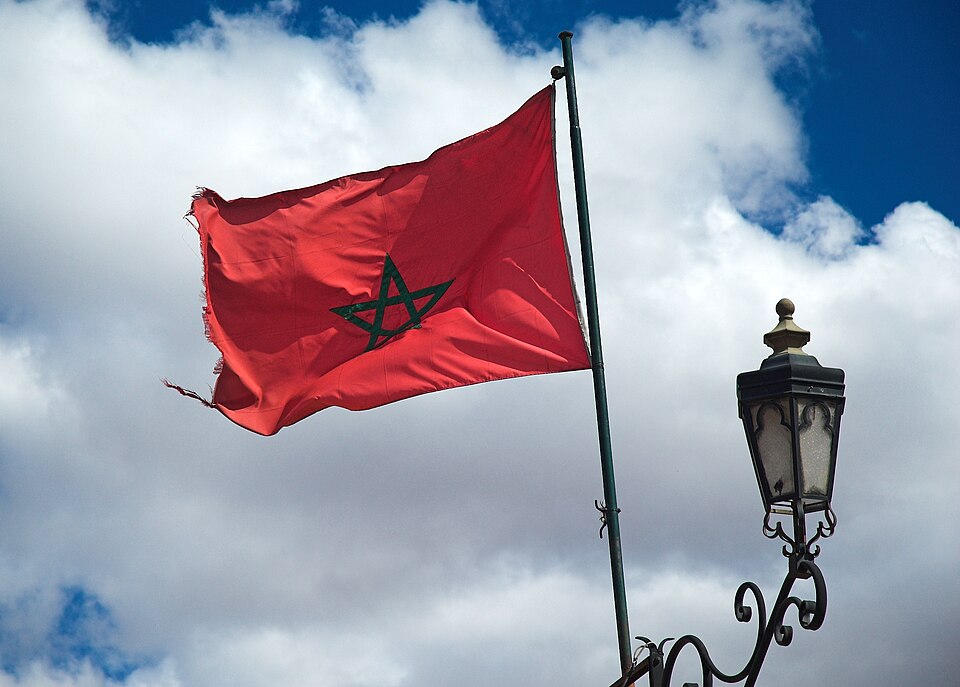
With technology increasingly at the heart of economic and geopolitical strategies, the EU and Morocco are positioning themselves not just as partners, but as co-creators of a new digital ecosystem spanning Europe and Africa. Photo by Jochen Frey from San Francisco, USA, Wikimedia commons.