














Europe’s top foreign policy officials welcomed an unexpected two‑week ceasefire between the United States and Iran on Wednesday, calling it a vital step back from the edge of a
broader regional conflict that has rattled global markets and reshaped diplomatic efforts.
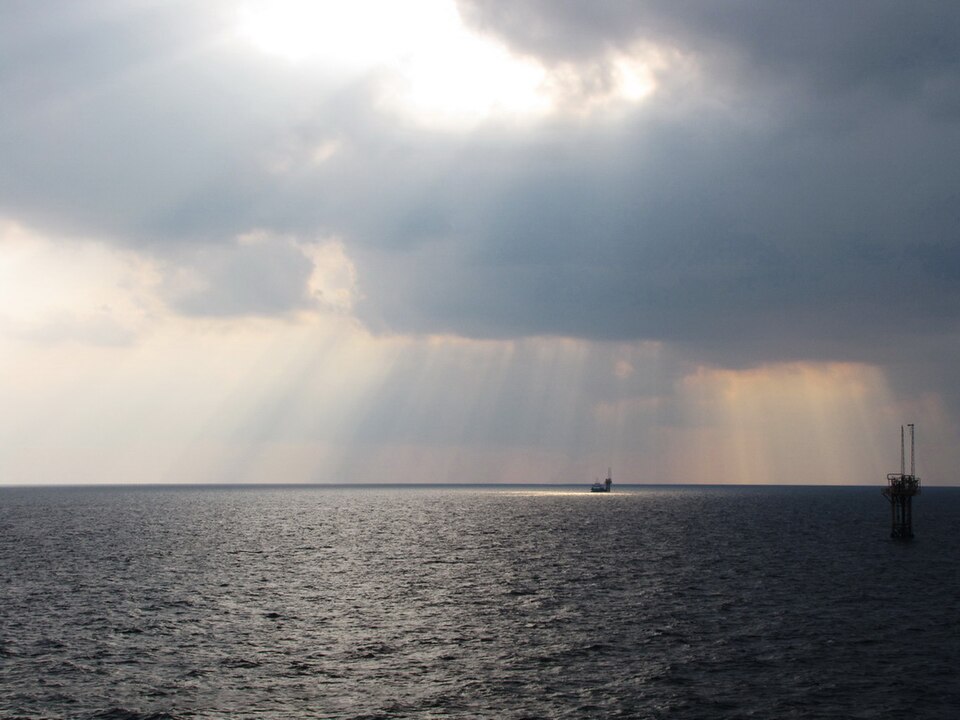
The agreement, announced late Tuesday after intense diplomatic outreach, comes amid a wider war that began in late February when the United States and Israel launched air strikes on Iranian territory, escalating a months‑long standoff into full‑blown conflict across the Middle East. The violence has involved air attacks, missile exchanges, and closure of key shipping routes, including the strategic Strait of Hormuz, a chokepoint for global oil supplies.
EU leaders cautiously welcome truce
“We welcome this temporary ceasefire as a step back from the brink after weeks of escalation,” EU High Representative for Foreign Affairs Kaja Kallas said in a post on X on Wednesday, applauding the pause in hostilities that had threatened to draw in additional regional actors.
Kallas said the agreement offers “a much‑needed chance to tone down threats, stop missiles, restart shipping, and create space for diplomacy towards a lasting agreement.” She also thanked Pakistan’s Foreign Minister Ishaq Dar for his role in helping broker the temporary truce.
European Commission President Ursula von der Leyen echoed the sentiment, saying the announcement brings “much‑needed de‑escalation” and stressing the need to move quickly toward negotiations for an enduring peace.
Diplomacy now centre stage
Despite the truce, Kallas warned that “the door to mediation must remain open, as the underlying causes of the war remain unresolved.” She is scheduled to travel to Riyadh this week to meet Saudi officials and Gulf Cooperation Council representatives to discuss next steps.
Belgium’s Foreign Minister Maxime Prévot is also heading to the Middle East this week for talks with regional partners.
What the ceasefire means – and doesn’t mean
The two‑week ceasefire was confirmed by senior leaders in both Washington and Tehran and is linked to Iran’s agreement to allow safe passage for commercial vessels through the Strait of Hormuz, which Tehran had closed early in the conflict. Reopening the strait helped ease turbulence in global energy markets, which had spiked sharply as oil prices surged amid the crisis.
Former U.S. President Donald Trump, who has driven much of the U.S. policy in the conflict, declared the ceasefire a “total and complete victory,” saying it reflected the fulfillment of core American objectives and that Iran had submitted a “workable” 10‑point proposal for future negotiations.
However, analysts and diplomats caution that the truce is fragile. Iran’s leadership has described the arrangement as a temporary operational pause rather than a formal end to hostilities, and fundamental issues such as sanctions, nuclear tensions and regional security guarantees remain unresolved.
The conflict has also had spillover effects — including continued unrest in neighbouring countries, skirmishes involving allied militias, and differing interpretations of whether key fronts such as Lebanon fall under the ceasefire.
Broad war context
The broader war between the United States, Israel and Iran erupted after years of escalating tensions over Iran’s nuclear programme, regional influence, and sanctions disputes. What began as proxy engagements and diplomatic confrontations intensified into direct strikes when U.S. and Israeli forces launched coordinated attacks on Iranian infrastructure in February. Iran retaliated with missile and drone strikes on U.S. and allied targets across the Middle East, deepening the conflict.
Efforts to negotiate a longer ceasefire or permanent end to the war are reportedly continuing with the involvement of third‑party mediators from countries such as Pakistan, Egypt and Turkey. Proposals for longer ceasefire periods — potentially up to 45 days — are under discussion as part of broader peace talks aimed at resolving the conflict’s core disputes.