













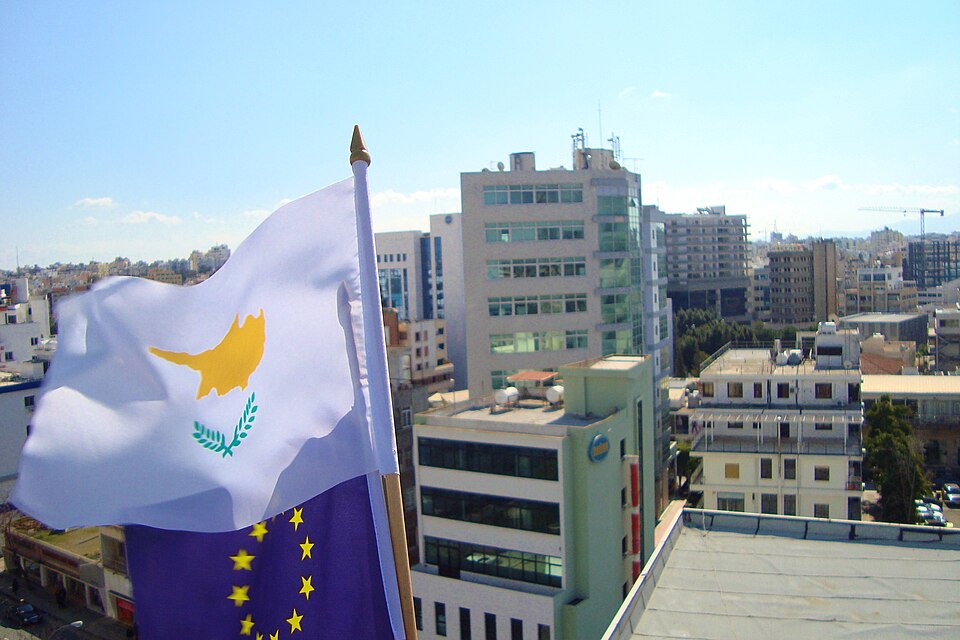
The Cyprus Presidency of the Council has begun an extensive tour of the European Parliament committees, laying out its political and legislative
priorities for the first half of 2026. Cyprus will hold the rotating presidency of the Council of the European Union until the end of June, with ministers appearing before parliamentary panels throughout late January and early February.
The hearings, which will continue to be updated as they unfold, reveal a presidency focused on social cohesion, security, competitiveness and strategic autonomy, while navigating a tightening EU budget debate and mounting geopolitical pressure.
Strong focus on equality and rights
Opening the series, the Women’s Rights and Gender Equality Committee heard Justice Minister Costas Fitiris underline gender equality as a central pillar of the presidency. Combating gender-based violence — including online abuse — strengthening victim support and embedding gender mainstreaming across EU policies were flagged as immediate goals, alongside preparations for the EU’s 2026–2030 gender equality strategy.
MEPs urged Cyprus to adopt a stronger intersectional approach, warning of a growing backlash against women’s rights. They pressed for progress on sexual and reproductive health and rights, LGBTQI equality, gender budgeting and the long-blocked anti-discrimination directive, while highlighting new risks linked to digital platforms and artificial intelligence.
Culture, media and democratic resilience
Culture and education featured prominently, with Deputy Culture Minister Vasiliki Kassianidou promoting a “cultural compass for Europe” to anchor culture in EU policymaking. The proposed AgoraEU 2028–2034 programme would reinforce culture and media as democratic public goods, alongside work on media literacy and the protection and return of cultural artefacts.
MEPs broadly backed the vision but warned that ambition must be matched by funding in the next long-term EU budget. Several stressed culture’s role in countering disinformation and called for better working conditions for artists and stronger safeguards for independent media.
Digital markets, consumers and security
In the Internal Market Committee, Energy and Commerce Minister Michael Damianos highlighted priorities ranging from the 2030 consumer agenda to stronger protection of minors online and tougher action against deceptive practices. Cyprus also aims to push ahead with digital “omnibus” files, customs reform and negotiations on posting of workers rules.
MEPs questioned how the presidency intends to bolster EU digital sovereignty amid foreign interference, calling for stricter enforcement of the Digital Services Act and the AI Act. Proposals such as a potential social media ban for minors, European preference in public procurement and action on late payments drew particular scrutiny.
Transport, tourism and connectivity
Transport Minister Alexis Vafeades told MEPs the presidency will prioritise air passenger rights and greener, safer and more competitive transport systems. Shipping and tourism ministers highlighted work on an EU maritime industrial strategy, a declaration on seafarers and an evaluation of the EU’s 2030 tourism agenda.
Parliamentarians made clear they would resist any dilution of passenger rights and urged Cyprus to accelerate work on roadworthiness rules, automotive legislation and cross-border infrastructure funding, including alternative fuels.
Justice, migration and rule of law
Civil liberties discussions centred on organised crime, terrorism, child sexual abuse and digital threats, with Cyprus pledging closer cooperation via Europol and stronger external borders. Migration policy will focus on implementing the Migration and Asylum Pact and improving returns through partnerships with non-EU countries.
MEPs pressed for better interoperability of law enforcement and asylum systems, stronger protection for those fighting organised crime and firm safeguards for data protection and fundamental rights.
Separately, Deputy Minister for European Affairs Marilena Raouna stressed that the rule of law underpins both the single market and the EU project itself. Cyprus plans to advance Article 7 procedures and push simplification and better regulation, prompting MEPs to question how the EU should respond to foreign interference, disinformation and new security threats.
Fisheries, trade and foreign policy
In fisheries, Agriculture Minister Maria Panayiotou committed to strengthening the Common Fisheries Policy and defending the sector’s interests in the next EU budget. MEPs unanimously opposed proposed funding cuts, calling for fleet modernisation, legal simplification and a pragmatic path to decarbonisation.
Trade discussions focused on balancing openness with strategic defence of EU interests. Ministers were questioned on transatlantic relations, Mercosur, steel overcapacity, WTO reform and trade agreements with partners such as India and the Philippines, as well as the EU response to Russia’s war against Ukraine.
Defence, enlargement and global engagement
Foreign Affairs and Defence committees heard Cyprus emphasise European autonomy, sustained support for Ukraine and stronger global partnerships. Defence priorities include boosting Europe’s industrial base, maritime security, innovation and protection of critical infrastructure.
MEPs raised issues ranging from EU enlargement and institutional reform to security in the Eastern Mediterranean, the use of drones in warfare and the operationalisation of the EU’s mutual defence clause.
Economy, energy, social policy and health
From industry and energy to employment, agriculture, environment and health, Cyprus presented a broad agenda: securing energy supplies while decarbonising, simplifying rules for SMEs, tackling child poverty, addressing housing shortages, ensuring water resilience and strengthening healthcare systems.
Health Minister Neophytos Charalambides highlighted plans to finalise the Critical Medicines Act, advance biotech legislation and improve access to affordable medicines, while MEPs warned that ambition would require a robust EU health budget. Photo by EUCyprus, Wikimedia commons.