












The number of people granted protection across the European Union fell significantly in 2025, reflecting both policy shifts and changing migration dynamics. According to newly
released data, EU member states awarded protection status to 361,325 asylum seekers—an 18% drop compared to 437,735 in 2024.
Despite the overall decline, the composition of protection types reveals a more complex picture. Just over half (51%) of successful applicants were granted full refugee status, while 25% received humanitarian protection and 24% subsidiary protection. Notably, while refugee status numbers remained relatively stable (down just 0.5%), subsidiary protection cases plummeted by 50%. In contrast, humanitarian protection rose by 11%, suggesting a growing reliance on nationally defined forms of protection rather than EU-harmonized categories.
Germany, Spain and France dominate decisions
As in previous years, a small number of countries accounted for the majority of positive asylum decisions. Germany led with over 103,000 grants—nearly 29% of the EU total—followed by Spain (21%) and France (20%). Together, these three countries were responsible for 70% of all protection statuses granted across the bloc, underlining persistent disparities in how responsibility is shared among member states.
Afghans remain largest beneficiary group
Afghan nationals continued to represent the largest group receiving protection, making up 27% of all positive decisions. Venezuelans followed with 16%, while Syrians and Ukrainians each accounted for around 5%. These figures reflect ongoing geopolitical crises and instability in key regions driving asylum flows toward Europe.
Recognition rates show mixed outcomes
In total, EU countries issued over 832,000 first-instance decisions on asylum applications in 2025, along with an additional 170,000 rulings following appeals. At the initial stage, 39% of applicants were granted some form of protection. However, this rate dropped to just 21% for final decisions after appeals, indicating that overturning negative decisions remains relatively rare.
Recognition rates varied widely by nationality. Venezuelans had the highest success rate at 92% in first-instance decisions, followed by Afghans at 73%. Turkish applicants, by contrast, saw much lower recognition levels at 13%. At the appeal stage, Syrians had the highest success rate (67%), ahead of Afghans (36%) and Iraqis (18%).
Broader context: asylum in the EU
The latest figures come at a time when the EU is reforming its asylum system under the New Pact on Migration and Asylum, which aims to streamline procedures and distribute responsibility more evenly across member states. The decline in subsidiary protection may reflect stricter interpretations of eligibility criteria, while the rise in humanitarian status suggests countries are increasingly using national frameworks to manage complex cases.
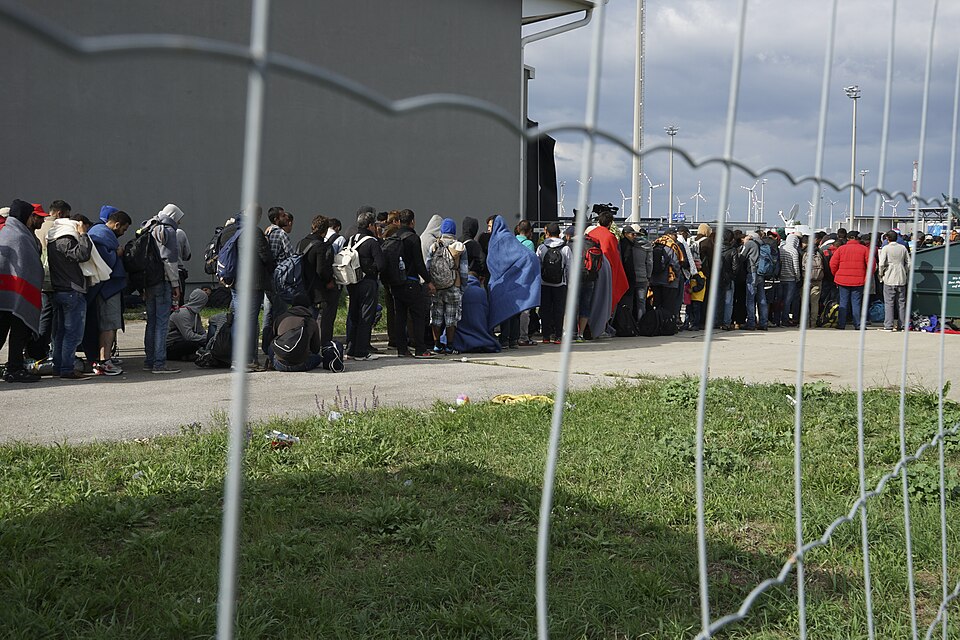
At the same time, recognition rates remain uneven across nationalities and countries, raising ongoing concerns about consistency and fairness in asylum decisions. While overall numbers have decreased, migration pressures persist, and policymakers continue to face the challenge of balancing border control with international protection obligations. Photo by Mstyslav Chernov, Wikimedia commons.