















The European Commission has approved a €260 million Belgian state aid package to support a major carbon capture and storage (CCS) project aimed at cutting industrial
emissions in the Port of Antwerp. The funding will help launch the Kairos@C initiative, a joint project led by Air Liquide and BASF, designed to significantly reduce greenhouse gas emissions from heavy industry.
Boost for industrial decarbonisation
The project will capture carbon dioxide (CO₂) emissions from existing industrial facilities in Antwerp that produce hydrogen, ammonia and ethylene oxide. Once captured, the CO₂will be transported and permanently stored in underground reservoirs beneath the North Sea.
Over a 15-year period, the project is expected to prevent around 20 million tonnes of net greenhouse gas emissions, marking a significant contribution to Belgium’s climate targets. The initiative will also enable the production of low-carbon hydrogen and ammonia, key components in the transition to cleaner industrial processes.
The European Commission determined that the funding aligns with EU rules on state aid and supports the bloc’s broader decarbonisation strategy under the Clean Industrial Deal.
Funding structure
Belgium notified the measure to the Commission to help cover rising costs that have threatened the viability of the project. Although Kairos@C previously secured more than €365 million from the EU Innovation Fund, soaring inflation in recent years significantly increased its overall cost.
The additional €260 million will be financed by the Flemish regional government. The support will include:
- €30 million upfront investment grants for each company
- Additional annual grants of €10 million per beneficiary for ten years, conditional on meeting minimum emission-reduction targets
Commission’s assessment
The European Commission approved the aid after determining that it meets key EU competition and environmental criteria. According to the Commission, the funding:
- Supports the development of carbon capture, transport and storage infrastructure
- Provides necessary incentives for companies to invest in emissions-reduction technology
- Is limited to the minimum funding required and avoids excessive compensation
- Includes safeguards to prevent unfair distortion of competition
The project will not increase production capacity at the participating plants, and any additional revenues generated will require the companies to return part of the aid to Belgium. The firms will also share technical knowledge gained from the project to support wider CCS deployment across Europe.
Part of the EU’s climate strategy
The decision was assessed under EU state aid rules, particularly Article 107(3)(c) of the Treaty on the Functioning of the EU and the 2022 Climate, Environmental Protection and Energy Aid Guidelines (CEEAG).
The CEEAG framework allows EU member states to support projects that accelerate the transition to cleaner energy and industrial processes. It covers initiatives such as renewable energy, energy efficiency, clean mobility, pollution reduction and carbon-reduction technologies.
The Kairos@C project was originally selected in the first large-scale call of the Innovation Fund, one of the EU’s flagship financing tools for pioneering low-carbon technologies. Seven major projects were funded in that round, spanning multiple sectors of Europe’s energy and industrial economy.
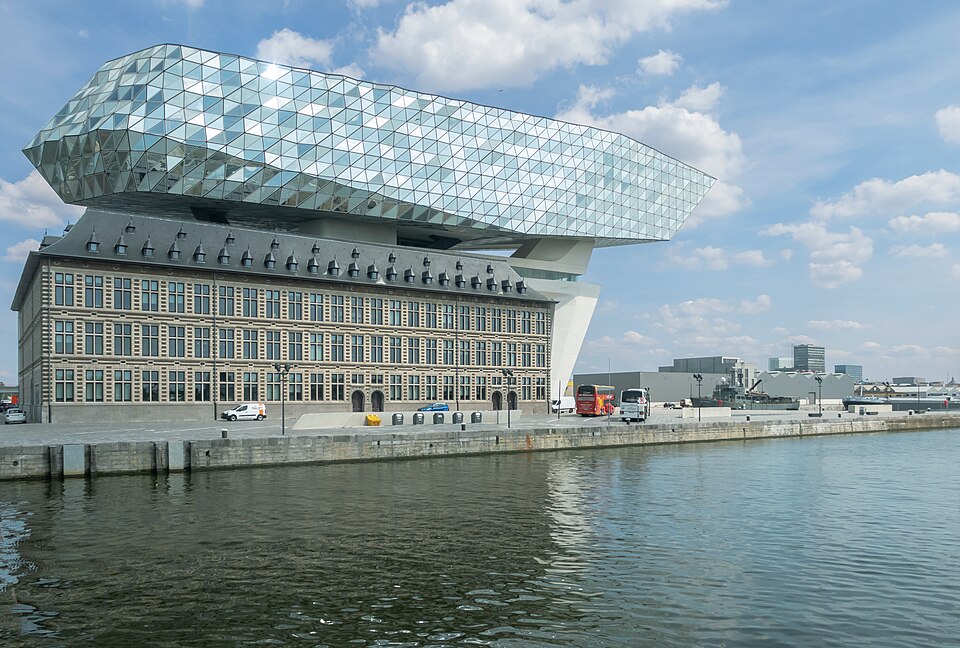
With the newly approved Belgian aid, the Kairos@C project moves a step closer to becoming one of Europe’s flagship industrial carbon-capture initiatives. Photo by Michielverbeek, Wikimedia commons.