












The European Commission has given the green light to a €500 million state aid scheme from Luxembourg aimed at accelerating clean technology manufacturing and
strengthening Europe’s path toward climate neutrality.
The funding initiative, approved under the Clean Industrial Deal State Aid Framework (CISAF), is designed to expand Luxembourg’s capacity to produce key cleantech components—ranging from solar panels and wind turbines to heat pumps and advanced battery systems. The move positions the small but strategically ambitious country as an emerging hub for sustainable industrial innovation in Europe.
A strategic push for clean manufacturing
At its core, the Luxembourgish scheme will provide direct grants to companies investing in new or expanded manufacturing facilities. These projects must focus on producing clean technologies or their critical components, including the use of recycled or secondary raw materials.
The support will also extend to the processing and recovery of critical raw materials—an increasingly important area as Europe seeks to reduce reliance on imports and build resilient green supply chains.
The scheme is open to companies across Luxembourg and will run until the end of 2030, aligning with the EU’s broader climate and industrial timelines.
Why Luxembourg?
While Luxembourg is better known as a financial center, it has been quietly building a reputation in clean technology and sustainable innovation. The country has invested heavily in circular economy initiatives, smart energy systems, and green finance.
Institutions like the Luxembourg Institute of Science and Technology and platforms such as the Luxinnovation play a key role in fostering cleantech development, supporting startups and industrial players working on energy efficiency, materials science, and environmental technologies.
Luxembourg is also home to a growing ecosystem of companies specializing in areas like:
- advanced materials for energy storage
- sustainable construction technologies
- circular economy solutions
- space-based environmental monitoring (through its space-tech sector)
EU rules and green transition goals
The Commission concluded that the Luxembourg scheme meets EU state aid rules, particularly under Article 107(3)(c) of the Treaty on the Functioning of the European Union. Officials determined that the funding is necessary, proportionate, and well-targeted to support economic activities critical to the Clean Industrial Deal.
Adopted in June 2025, the CISAF framework enables EU countries to fund strategic green sectors without distorting competition. It covers a wide range of measures—from renewable energy deployment and industrial decarbonisation to clean tech manufacturing and investment risk reduction.
Strengthening Europe’s industrial base
Luxembourg’s €500 million program reflects a broader shift across Europe: building domestic capacity in technologies essential for the energy transition.
By supporting manufacturing within the EU, policymakers aim to:
- reduce dependence on global supply chains
- accelerate deployment of clean technologies
- create high-value industrial jobs
- secure access to critical raw materials
For Luxembourg, the scheme is more than just industrial policy—it’s a chance to carve out a competitive niche in Europe’s green economy.
Looking ahead
As the race toward net-zero intensifies, smaller EU economies like Luxembourg are leveraging targeted investment strategies to punch above their weight. With strong institutional backing, access to finance, and a focus on innovation, the country is positioning itself as a key player in Europe’s cleantech future.
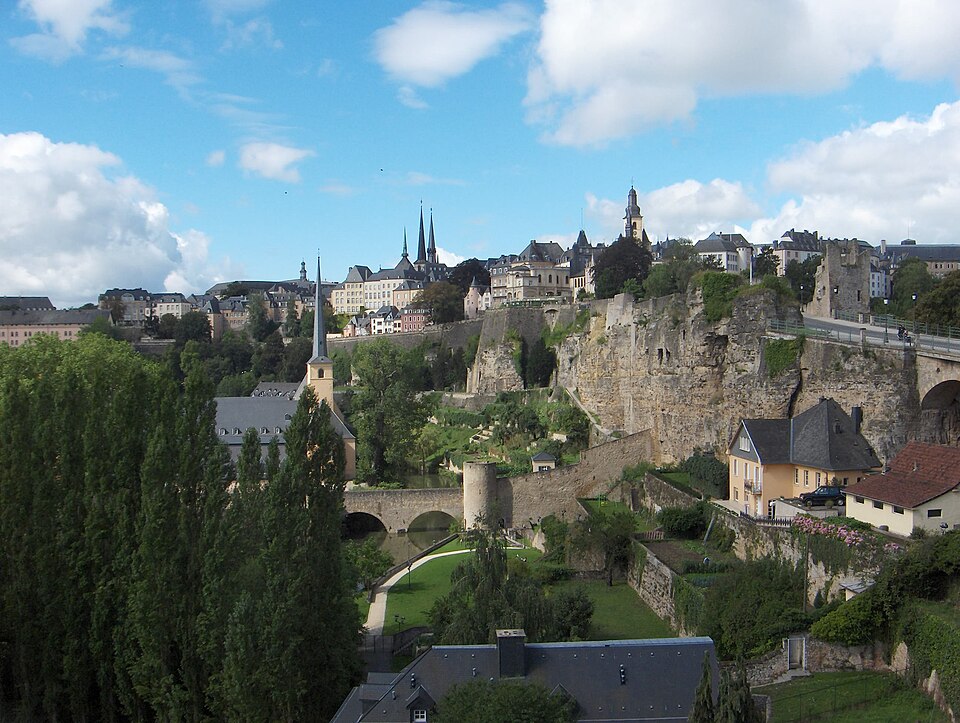
The success of this initiative will depend on how quickly projects materialize and whether it can attract both domestic and international investors. But with EU approval secured, Luxembourg now has the policy tools—and the funding—to accelerate its green industrial transformation. Photo by Streppel, Wikimedia commons.