













Growing geopolitical instability is reshaping how Europeans view their future — and many are calling on the European Union to respond with greater unity, resources and global
influence.
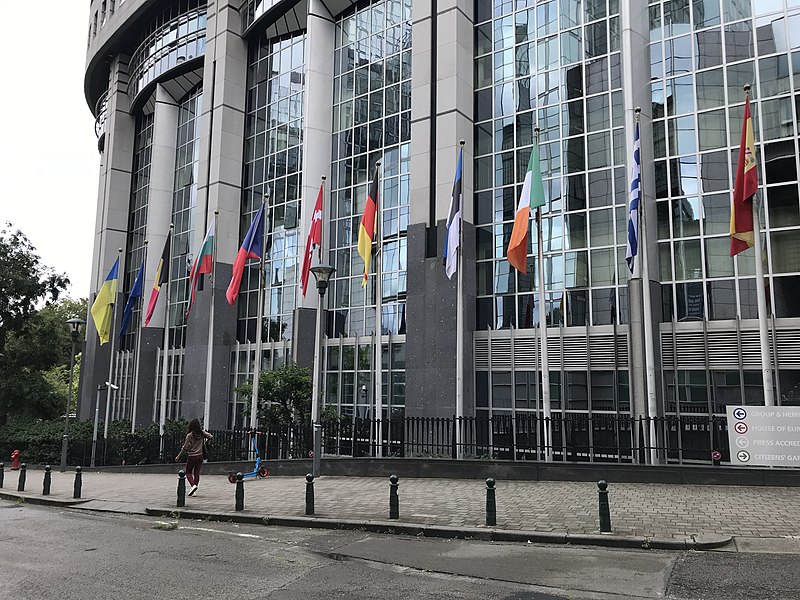
According to the European Parliament’s latest Eurobarometer survey, published Wednesday, a strong majority of EU citizens are increasingly concerned about security threats, economic pressures and global uncertainty. While personal optimism remains relatively high, confidence in the future of Europe and the wider world is noticeably weaker.
Security fears dominate public concern
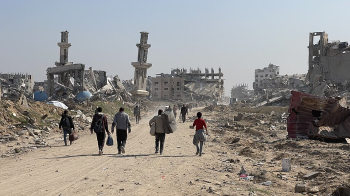
The survey reveals widespread anxiety over safety and security across the continent. Active conflicts near the EU’s borders top the list of concerns, cited by 72% of respondents, followed closely by terrorism (67%), cyber-attacks from non-EU countries (66%), and natural disasters intensified by climate change (66%). Uncontrolled migration also remains a major issue for 65% of citizens.
Beyond physical threats, Europeans are increasingly uneasy about risks linked to the digital and information space. Nearly seven in ten respondents express concern over disinformation (69%), hate speech (68%), AI-generated fake content (68%), insufficient data protection (68%), and threats to freedom of expression (67%).
A pessimistic global outlook — but personal optimism endures
The turbulent international environment is clearly influencing public sentiment. More than half of Europeans (52%) say they are pessimistic about the future of the world. Similar concerns extend closer to home, with 39% pessimistic about the EU’s future and 41% worried about their own country’s trajectory.
Despite this, the outlook becomes more positive at an individual level. Three-quarters of Europeans (76%) remain optimistic about their own future and that of their families, suggesting resilience even amid broader uncertainty.
Citizens demand a more united and assertive EU
Faced with mounting challenges, Europeans are sending a clear message: they want the EU to do more. An overwhelming 89% of respondents believe EU member states must be more united to confront global threats. Meanwhile, 66% say the EU should play a stronger role in ensuring citizens’ safety, and 73% want the Union to be given greater financial and political resources.
There is also strong backing for a more influential EU on the world stage. 86% of respondents support a stronger EU voice internationally. When asked where the Union should focus its efforts, citizens point primarily to defence and security (40%), followed by competitiveness, the economy and industry (32%), and energy independence (29%).
“Geopolitical tensions shape Europeans’ daily sense of security. Citizens expect the European Union to protect, be prepared and act together. That is exactly what a stronger and more self-assertive Europe must deliver. Europe is our strongest shield,” said European Parliament President Metsola.
Cost of living remains a top domestic priority
Economic pressures continue to weigh heavily on households. Inflation, rising prices and the cost of living are once again the leading issues citizens want the European Parliament to address, cited by 41% of respondents. The economy and job creation follow closely at 35%, marking a notable increase since the previous survey.
While most Europeans expect their living standards to remain stable over the next five years, 28% fear a decline, particularly in countries experiencing heightened economic uncertainty. Concern is strongest in France (45%), Belgium (40%) and Slovakia (40%).
Core European values remain central
Amid uncertainty, Europeans continue to rally around the EU’s founding values. Peace emerges as the top priority, with 52% saying it is the value they most want the European Parliament to defend. Democracy (35%), freedom of speech (23%), human rights (22%) and the rule of law (21%) also remain key expectations.
Support for EU membership grows, especially among youth
Despite a slight dip in overall institutional image, attitudes toward the EU remain broadly positive. Nearly half of respondents (49%) hold a favourable view of the EU, while only 17% express a negative opinion. Support for EU membership is particularly strong, with 62% saying their country’s membership is a good thing — an increase since early 2024.
Young Europeans stand out as the most enthusiastic supporters. Citizens aged 15 to 30 are significantly more likely than older generations to view the EU positively and to support a stronger role for the European Parliament. They also show overwhelming backing for greater unity (90%), more EU resources (78%), and a stronger international voice (87%).
Survey background
The Autumn 2025 Eurobarometer survey was conducted by Verian between 6 and 30 November 2025 across all 27 EU member states. A total of 26,453 interviews were carried out through face-to-face and video interviews, with results weighted to reflect national population sizes.
Full survey results are available on the Eurobarometer website.