












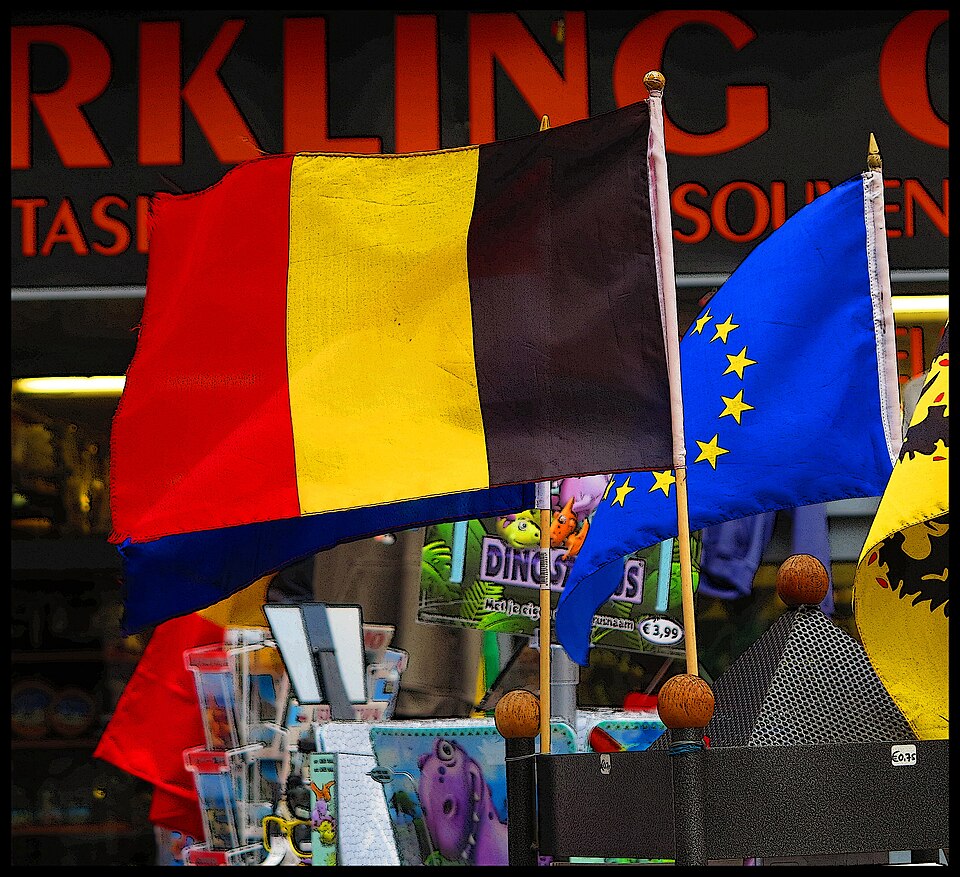
Belgians are markedly more pessimistic about the future than most Europeans, according to a new survey commissioned by the European Parliament, highlighting growing anxiety
over security, the economy and global instability.
Nearly two-thirds of people in Belgium (65%) say they feel fairly or very pessimistic about what lies ahead. That compares with an EU-wide average of 52%, placing Belgium among the most downbeat countries in the bloc.
The findings come from the latest Eurobarometer poll, which shows that fears linked to security dominate public opinion across Europe. Ongoing conflicts top the list of concerns, cited by 72% of respondents, followed by terrorism (67%), climate-related natural disasters (66%), cyberattacks (66%) and what many describe as “uncontrolled” migration (65%).
Despite the gloomy outlook, there is strong support for a more united European response. Almost nine in ten Europeans believe EU member states should work more closely together to face global threats. A large majority want Brussels to take a firmer stance internationally, while nearly three-quarters support increased EU funding to address security and crisis preparedness.
When asked where the EU should focus its efforts, Europeans most often point to defence and security (40%), followed by competitiveness, the economy and industry (32%), and energy independence (29%). Belgian respondents broadly share these priorities but also place particular emphasis on education and research.
Economic concerns remain a major source of unease. Belgium is among the countries, alongside France and Slovakia, where expectations about living standards are most pessimistic. Four in ten Belgians fear their standard of living will decline in the coming years.
Confidence in the European Union itself has also softened. Across the EU, around half of respondents still hold a positive view of the bloc, but support has slipped slightly. In Belgium, favourable opinions have fallen to 46%, while negative views have climbed to 22%.
The survey was conducted by research firm Verian between 6 and 30 November 2025, with more than 26,000 people interviewed across all EU member states. Photo by